


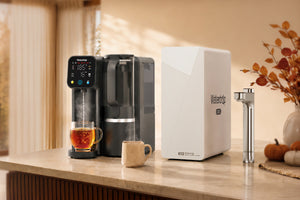


What Is Reverse Osmosis Water?
by
Dr. Jonathan Doyle - Updated September 02, 2026


Reverse osmosis (RO) water is regarded as purified because it is treated with a semi-permeable membrane. This encourages water to push through pressure with the intention of producing cleaner drinking water by straining out other materials such as chlorine, fluoride, lead, nitrates, PFAS, and microplastics. RO water is refreshing and great for making tea and coffee.
What is Reverse Osmosis?
Reverse osmosis is a filtering process that uses several steps to remove impurities:
Pre-filtration
Firstly, it passes through a sediment filter and then a carbon block filter. These types of filters remove rust, sand, chlorine, and other substances that might damage the RO water filter.
Reverse Osmosis Filtration
The semi-permeable membrane is actually the heart of any RO unit. This semi-permeable membrane allows only the molecules of water to pass through, but does not allow even particles 0.0001 microns in size.

Post-filtration
Finally, it passes through a post-carbon filter which enhances taste and odor, providing you with fresh and great-tasting drinking water right out of your faucet.
Click here if you want to learn more about Why Does Filtered Water Taste Different?
Why Use Reverse Osmosis Systems?
Although the tap water in UK is claimed to be safe for drinking, many British families have turned to RO because:
1. Enhanced Taste and Smell
The chlorine and disinfectants used in tap water can leave a taste and odor. The RO filters will eliminate these, causing the drinking water to taste fresh and clean.
2. Hard Water Problems
Areas such as London, Kent, and Oxfordshire have hard water which causes scaling on kettles, taps, and other devices. RO water systems will offer purified water by removing these minerals.

3. Protection From Emerging Contaminants
RO eliminates trace levels of polluting substances like lead, nitrates, pesticides, PFAS, and microplastics , which gives consumers extra peace of mind.
4. Environmental Benefits
RO water decreases one's dependency on bottled water, which in turn contributes to a reduced amount of plastic waste.
Is Reverse Osmosis Water Safe for Drinking?
Yes, RO water is safe for drinking and even cleaner and safer than bottled water. A qualified RO water filter eliminates:
- Nitrates and nitrites
- Heavy metals such as lead and mercury
- PFAS (forever chemicals)
- Microplastics and bacteria
Although RO removes minerals, these minerals are inorganic and cannot easily be absorbed by the body. All minerals can be gotten through a diet. If you prefer filtered water with essential minerals, you can purchase a RO water purifier with a remineralization filter.
What are the Advantages of Reverse Osmosis Water?
- Pure and Healthy Drinking Water - RO eliminates up to 99% impurities.
- Improved Taste for Tea, Coffee, and Cuisine - Free from any chlorine taste or mineral buildup.
- Protects Appliances - Prevents scaling in kettles, coffee makers, and irons.
- Environmentally Friendly: Helps decrease use of bottled water.
- Cost-Effective Long-Term - Economical compared to bottled water.

Is Reverse Osmosis Worth It in the UK?
Yes, especially in households with hard water or old pipes. RO systems can provide you with better-tasting water. Safeguard drinking water for your family. Also, it helps decrease bottled water consumption, thus saving a lot of money. RO filtration is a long-term investment for improved health and convenience.
People Also Asked Questions
How to Install A Reverse Osmosis System?
The installation is very simple, you can follow the instructions and install it by yourself:
- Turn off your water supply under your sink.
- Connect the inlet hose to the RO system.
- Hook up your system to your regular faucet or RO faucet.
- Position the system properly under the sink.
- The system is flushed for several minutes.
How Often Should I Replace RO Filters?
Generally speaking, you are supposed to replace the pre-filter every 6 to 12 months. The RO filter may last up to 24 months. As for carbon filter: every 12 months. Some Waterdrop reverse osmosis systems have smart notifications for reminding you when it is time to change the filters.
Does Reverse Osmosis Remove Limescale?
RO water filter is indeed efficient at removing scaling caused by calcium and magnesium ions. If you have very hard water in your area, then a water softener is advised before the RO system.
Will Reverse Osmosis Remove Microplastics and PFAS?
Definitely. RO membranes can effectively reject microplastics and PFAS compounds in the UK, which are emerging problems in drinking water.
Final Note
Reverse osmosis water gives you peace of mind by filtering out impurities which cannot be removed by regular carbon filters. Whether it's cloudy tap water, chlorine, or even microplastics and PFAS contamination, RO will provide you with safe and great-tasting drinking water right out of your faucet. Purchasing a reverse osmosis system is a clever and eco-sensitive decision for a British family in 2025.

Choose Your Water Solutions
- Smart Reverse Osmosis System No Tank, No Bacteria
- Under Sink RO System Powerful Purification, Hidden Under Sink
- Countertop RO System Pure Water, No Installation
- Under Sink Filtration System Clean Water, Simple Setup
- RO System Replacement Filters Change Your Filters Regularly
Categories
- Buyer's Guide Complete buying guides to help you choose wisely
- Water Contaminants Offer the best solution to solve the water problems
- Water Stewardship Responsibility for sustainable water management
- Home and Wellness A better and healthier world for individuals and families
- Customer Voice Take a look at how other users evaluate Waterdrop


