


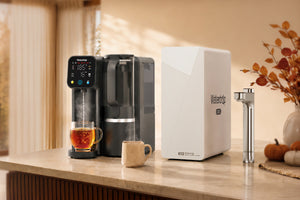


Can You Drink Tap Water in London?
by
Dr. Jonathan Doyle - Updated November 24, 2025


Regarding water consumption, one of the questions that most people ask is whether tap water in their cities is
safe to drink. London, being home to millions of people, is also no exception to this debate. London, as one of
the most populated cities in the world, also faces questions of water safety, whether the water is contaminated,
whether it contains harmful elements, whether it is safe to drink, and in this regard, this article provides all
relevant details about London's tap water safety, quality, and what to do to make your water safe to drink.
Is London's Tap Water Safe to Drink?
The brief answer is yes, London tap water is safe to drink. London tap water is sourced from rivers as well as
groundwater, which is treated to ensure compliance with stringent safety standards set by both the United
Kingdom Government and the European Union. According to Drinking
Water Inspectorate (DWI) standards , tap water
in the United Kingdom, including London, is safe to drink as it meets all regulatory standards for safety and
quality.

Nonetheless, whereas tap water in London is known to be safe for drinking, it is worth understanding that this
water is capable of having differences in quality based on several different factors, including source, water
treatment methods, as well as plumbing infrastructure.
What Makes London Tap Water Safe?
Strict Regulation
The tap water in London is regulated by the Drinking Water Inspectorate (DWI) to ensure it is safe for drinking
by meeting health standards. This ensures that it adheres to set standards by the government to protect
consumers from harmful substances.
Related article: Why not to drink tap water in the UK?
Regular Testing
London's tap water is also subjected to regular testing for various possible contaminants, such as bacteria,
chemicals, as well as metallic substances, which is only allowed to supply water to dwellings after passing
stringent testing procedures.
Water Treatment Process in London
The water treatment process in London consists of several stages to eliminate impurities from water, including
filtration, chlorination, as well as fluoridation in other cases. As a result, water is clean, clear, and safe
for drinking.

Are There Any Concerns About London's Tap Water?
Although tap water in London is safe to drink, a few issues might influence this
water's quality, primarily in
relation to longer exposure or different water sources in London.
Chlorine and Chloramine
London's water treatment process also employs the use of chlorine/chloramine to treat water by making it safe
for drinking by killing any bacteria, viruses, and other pathogens in it, although at safe levels for
consumption, those who feel they can sense anything affecting water taste and smell may consider using water
filtration systems to make water more flavorful.
Hard Water
London has what is known as "hard water." This is because water in London contains large amounts of calcium as
well as magnesium. Even though water in London is safe to drink, it does leave deposits of calcium as well as
magnesium in your pipes, home appliances, as well as in your skin, in case you have to splash it to clean
yourself after bath time.
Presence of Lead in Old Pipes
In older houses, especially those which have old water supplies, it is possible for water to leach lead from
lead pipes or from lead soldering in fittings of lead pipes . Lead is known to be toxic, as it causes several
health issues, especially in children. As an older home owner, water testing for lead is advisable, in addition
to installing a water filter that removes lead at the point of use.

Fluoride
Even though fluoride serves to protect teeth from decay, people might choose to avoid fluoride in drinking
water. If this is a concern for you, you might choose to utilize a fluoride remover to remove fluoride from
water in your tap.
Ways to Enhance Quality of Tap Water in London
Even in London, it is safe to say that drinking tap water is safe for consumption, but in order to further
ensure that water is as pure as possible, here are several methods for improving water quality:
1. Installing Water Filtration Systems
One of the most effective methods of assuring drinking water quality is to set up a water filtration system in
your home. Reverse osmosis water filtration systems have been known to eliminate
contaminants from drinking
water, including chlorine, heavy metals, lead, and even more, so as to provide pure, clean water for drinking in
your home.
Reverse osmosis water filters work best in eliminating contaminants from drinking water, as well as being quite
easy to set up at home under the kitchen sink cabinet.

2. Use a Water Pitcher Filter
A water pitcher filter is a convenient alternative to filtration systems if you
do not feel prepared for a
filtration system at this time. The water pitcher filters contaminants such as chlorine, sediment, and heavy
metals from water to make it cleaner, as well as more flavorful to drink.
3. Faucet Filter
For an even more straightforward solution, a faucet water filter can be placed directly upon a kitchen or
bathroom faucet in order to eliminate contaminants such as chlorine, heavy metals, and more as you use them.
4. Regular Maintenance
Make sure that your plumbing is in good working order. For example, if you're living in an older house, it is
possible that your pipes haven't been updated in a long time, so it's a good idea to investigate whether they
contain lead. Alternatively, you could call in a plumber to assess whether a solution is available for upgrading
them.
Summary
In a word, London tap water is safe to drink. The water that is delivered to households in London is of safe
standards, as tests have shown that it is free from harmful contaminants. Nonetheless, other issues like
chlorine taste, water hardness, as well as aging infrastructure, may influence water quality in London.
For having clean water, you could also set up a Waterdrop filtration system to eliminate impurities from water,
which further makes water more fresh to drink.

Choose Your Water Solutions
- Smart Reverse Osmosis System No Tank, No Bacteria
- Under Sink RO System Powerful Purification, Hidden Under Sink
- Countertop RO System Pure Water, No Installation
- Under Sink Filtration System Clean Water, Simple Setup
- RO System Replacement Filters Change Your Filters Regularly
Categories
- Buyer's Guide Complete buying guides to help you choose wisely
- Water Contaminants Offer the best solution to solve the water problems
- Water Stewardship Responsibility for sustainable water management
- Home and Wellness A better and healthier world for individuals and families
- Customer Voice Take a look at how other users evaluate Waterdrop


